
Content Audit and Refresh: Reclaiming Lost Traffic in 2026
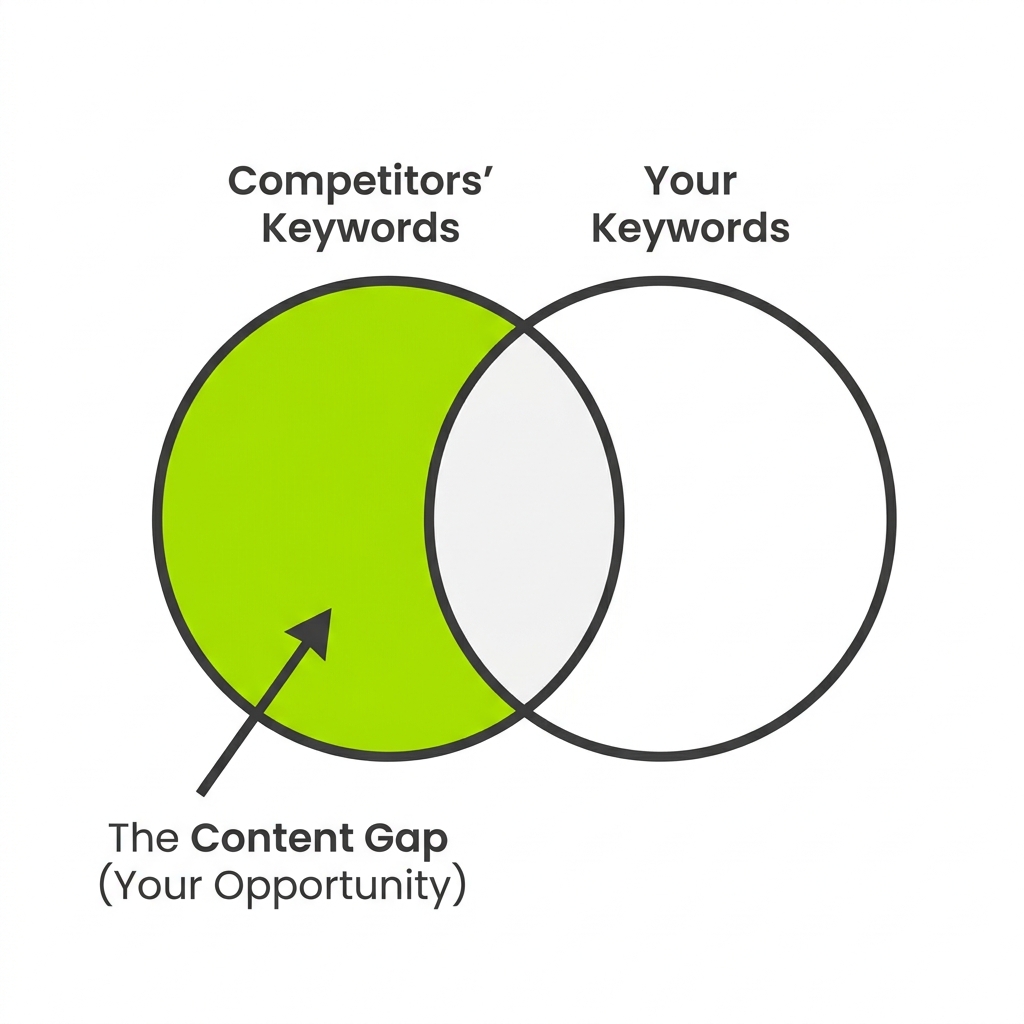
Publishing new content is important, but maintaining your existing content is often more lucrative—and much faster at delivering ROI. Over time, content suffers from "Content Decay"—it becomes outdated, competitors write better, more comprehensive versions, or search intent shifts. In the 2026 SEO landscape, where AI can generate new posts in seconds, content decay happens faster than ever before.
A Content Audit is the systematic process of reviewing all the pages on your site and deciding whether to Keep, Update, Merge, or Delete them based on data-driven criteria.
Why Content Decays in 2026
Before you can fix decaying content, you need to understand why it happens:
- Algorithmic Shifts: Google's continuous Helpful Content Updates (HCU) heavily penalize outdated, unoriginal, or thin content.
- AI-Driven Competitor Velocity: Competitors are using AI to scale content creation. They might out-publish you on specific topical clusters, burying your previously ranking page.
- Changing User Intent: What users wanted to read in 2024 is rarely what they want in 2026. (e.g., searches for "marketing automation" now imply AI workflows).
- Link Rot & Broken Features: External links break, embedded tools stop working, and screenshots look dated.
The 4-Step Content Audit Workflow
Stop guessing which pages need attention. Follow this framework to evaluate your content inventory.
1. Identify Target Pages (The Data Pull)
To begin, you need a full inventory. Export data from Google Search Console, Google Analytics 4, and a tool like Ahrefs or Semrush. Merge them into a single spreadsheet.
- Filter for Decay: Look for pages that have lost >25% of their organic traffic year-over-year.
- Filter for "Striking Distance": Find pages ranking in positions 5-15. A simple refresh can push them into the top 3.
2. The K.U.M.D. Decision Matrix
Evaluate each URL and assign an action tag:
- Keep (Leave alone): High performing, accurate, recently updated.
- Update (Refresh): Declining traffic, high impressions but low CTR, outdated facts.
- Merge (Consolidate): Keyword cannibalization. You have 3 weak articles on the same topic. Combine them into one ultimate guide and 301 redirect the old URLs.
- Delete (Prune): Zero traffic, zero backlinks, no brand value, outdated company news. Serve a
410 Gonestatus.
How to Perform a High-Impact Content Refresh
When you identify an article that used to rank well but is now losing traffic, you need to perform a Refresh. Simply changing the date is not enough anymore.
1. Modernize and Fact-Check
Change the year in the title (e.g., "Best SEO Tools in 2025" -> "2026"). Fix broken links, update statistics to the current year, and replace old, pixelated screenshots with modern UI examples. Ensure the writing tone matches your current brand voice.
2. Increase Information Gain
Look at the current top 3 ranking articles for that keyword. What are they missing? If everyone is giving generic advice, add:
- New proprietary data or surveys.
- Expert quotes from your team.
- Video embeds or custom infographics.
- Interactive elements (e.g., a simple calculator or template).
3. Optimize for AI Overviews (SGE) & Long-Tail Keywords
Check Google Search Console to see what obscure long-tail questions the page is accidentally ranking for (e.g., "how long does seo take for shopify"). Add a specific FAQ section explicitly answering those exact questions using the BLUF (Bottom Line Up Front) format. This helps capture AI Overview real estate.
4. Improve UX and Core Web Vitals
Sometimes content decays because the page layout is broken on mobile. Remove intrusive pop-ups, ensure your font size is legible (at least 16px-18px), and optimize image loading times.
5. Republish and Re-index
Once the major overhaul is complete:
- Update the "Last Modified" or "Published" date in your CMS.
- Add an "Editor's Note" at the top (e.g., "Updated June 2026 to reflect the latest Google algorithm changes").
- Resubmit the URL to Google Search Console via the URL Inspection Tool.
Refreshing an old article with an existing backlink profile is often 10x faster at driving new traffic than writing a brand new article from scratch. Leverage the authority you already have!
Actionable Steps for This Week
- Pull a GSC Report: Compare the last 6 months of organic clicks to the previous 6 months. Sort by click difference (low to high) to find your biggest losers.
- Pick 5 Pages: Select 5 high-value pages that have lost traffic but still have relevance to your product/service.
- Execute a Refresh: Apply the steps above to those 5 pages, update the publish date, and track their performance over the next 30 days.