
Google Business Profile (GBP) Optimization
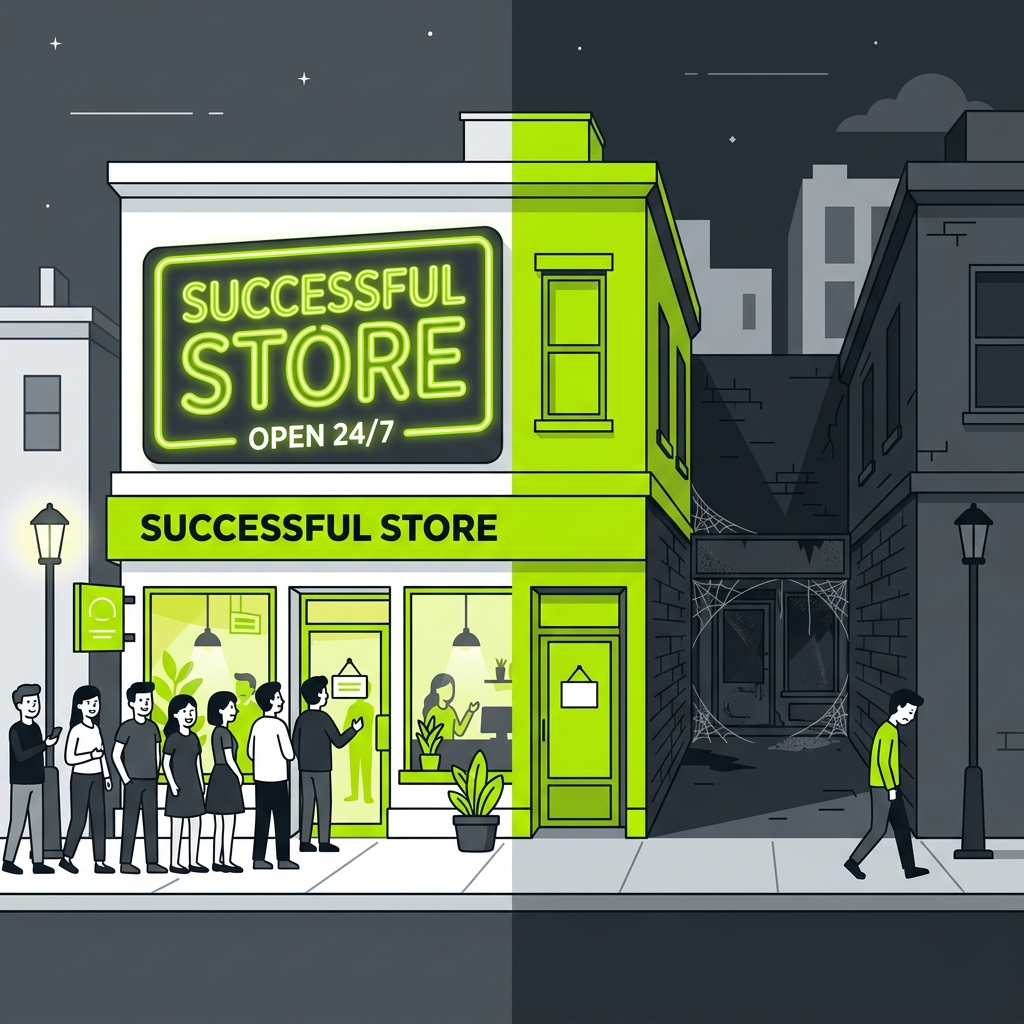
If you run a local business in 2026, your Google Business Profile (GBP) is arguably more important than your actual website. With the integration of AI Overviews and localized generative search, the GBP acts as the definitive source of truth that feeds directly into Google's localized knowledge graph. It's the central hub that dictates your visibility in the Google "Local Pack", Google Maps, and AI-driven local recommendations.
Why GBP is the Core of Modern Local SEO
When users search for localized terms like "AI smart home installer near me" or "best matcha cafe in Austin", Google bypasses standard organic results and pushes the Local Pack and AI Overviews to the top.
To dominate the Local Pack and AI recommendations in 2026, you don't optimize your website first—you optimize your GBP.
The Holy Trinity of Local Ranking
Google explicitly states that local results are based primarily on three factors:
- Relevance: How well your local Business Profile matches what someone is searching for, heavily influenced by your business categories, attributes, and service menus.
- Distance: How far each potential search result is from the location term used in a search, or the user's live location.
- Prominence: How well known a business is, based on links, mentions, directory listings, and, crucially, your Google reviews and AI sentiment scores.
Step-by-Step Optimization for 2026
1. Pinpoint Accurate NAP Details
NAP stands for Name, Address, and Phone Number. AI algorithms cross-reference this data relentlessly.
- Name: Use your actual, real-world business name. Keyword stuffing here (e.g., "Bob's Plumbing - Best Emergency Plumber NYC") triggers automated algorithmic penalties much faster in 2026.
- Address: Ensure perfect accuracy. For Service Area Businesses (SABs) working out of a home, you must hide your address and set precise service area boundaries.
- Phone: Use a local number if possible, as it signals local relevance to the algorithm. Avoid tracking numbers that overwrite your main number.
2. Choose the Right Categories & Subcategories
Your primary category is one of the biggest ranking factors.
- Select the most specific category possible (e.g., "Divorce Lawyer" instead of generic "Lawyer").
- Add relevant secondary categories. Review these quarterly as Google frequently adds granular new categories to account for emerging trends.
3. Build a Robust Service Menu & Products
List every single service you offer. For each service, add a detailed description, pricing (if applicable), and keywords. This feeds directly into Google's understanding of your Relevance and is heavily parsed by AI Overviews when users ask specific questions like "Who offers a $50 smog check near me?".
4. Upload High-Quality Media & 360° Tours
Businesses with robust visual profiles receive drastically more clicks. Modern optimization requires:
- Exterior and interior shots with natural lighting.
- Photos of your team working.
- Short, engaging vertical video snippets showcasing your environment.
- Actionable Step: Update your images seasonally to show an active, thriving business.
5. Utilize Google Posts and Q&A
Regularly post updates, offers, and events. Treat Google Posts as a micro-blog. Additionally, proactively populate your "Questions & Answers" section. Don't wait for customers to ask—seed the most common FAQs yourself and provide comprehensive, keyword-rich answers. This provides massive context for generative AI responses.
6. Leverage Business Attributes
Check off every relevant attribute (e.g., "Women-led", "Wheelchair accessible", "Free Wi-Fi", "Eco-friendly"). These attributes serve as highly specific filters that users (and AI agents) use to narrow down choices.