
Understanding Link Value
In the late 1990s, Google defeated every other search engine because of one core algorithm: PageRank.
PageRank operated on a simple premise: If Website A links to Website B, Website A is casting a "vote" of confidence for Website B. The more votes a website has, the higher it should rank.
Today in 2026, while the original PageRank formula has evolved into a much more complex machine learning system, backlinks remain the backbone of the web's credibility structure. However, not all votes are created equal. With the rise of AI Overviews and generative search, Google is more discerning than ever about which links actually matter.
The Anatomy of a High-Value Link in 2026
A single contextual backlink from The New York Times or a highly respected niche authority is worth more than 10,000 automated directory links. When evaluating a potential link prospect, you must look at these five critical factors:
1. Topical Authority & Semantic Relevance
If you run a website about dog training, a backlink from an established veterinarian's blog is incredibly valuable. A backlink from a used car dealership is almost worthless, even if the dealership has a massive Domain Rating.
- 2026 Context: Google uses vector embeddings to understand the semantic relationship between the linking page, the linking domain, and your target page. The link must make contextual sense. If the surrounding text doesn't align with your page's topic, the link equity is heavily discounted.
2. Entity and E-E-A-T Signals
Experience, Expertise, Authoritativeness, and Trustworthiness (E-E-A-T) play a massive role in link value.
- Does the linking site have recognized authors?
- Is it an established entity in Google's Knowledge Graph? A link from a recognized expert's personal blog often outweighs a link from a generic, high-traffic content mill.
3. Domain and Page Authority
Is the website linking to you historically trusted by Google? Tools like Moz (Domain Authority), Ahrefs (Domain Rating), or Semrush (Authority Score) try to estimate this trust on a 1-100 scale.
- Actionable Tip: Don't just look at Domain Authority. Look at the Page Authority of the specific URL linking to you. A link from a newly published page on a DR 80 site takes time to accrue value, whereas a link inserted into a historically ranking page on a DR 50 site can pass immediate value.
4. Link Placement and Prominence
A link naturally embedded high up in the main body paragraph of an article is extremely valuable. It signals editorial intent.
- Devalued Placements: Links stuffed into footers, sidebars, author bios, or buried at the very bottom of a 5,000-word page carry significantly less weight. Google's Reasonable Surfer model determines that if a real human is unlikely to click the link, it shouldn't pass much SEO value.
5. Anchor Text Dynamics
Anchor text is the clickable text of the link. If a website links to you using the anchor text "best dog training collars", they are explicitly telling Google what your page is about.
- The Danger Zone: If a high percentage of your incoming links use the exact same keyword-rich anchor text, Google's algorithms will flag this as unnatural link building and potentially penalize your site.
- Best Practice: Aim for a natural, diverse mix of branded anchors (e.g., "K9Academy"), naked URLs ("www.k9academy.com"), conversational anchors ("click here to learn more"), and partial-match keywords.
Link Attributes: Dofollow, Nofollow, Sponsored, and UGC
By default, every link on the internet is a standard "dofollow" link, meaning it passes PageRank (SEO authority) to the destination URL. However, webmasters can add specific rel attributes to give Google more context.
The rel="nofollow" Attribute
<a href="https://example.com" rel="nofollow">Click here</a>
This tag originally told Google: "I am linking to this site, but I do not vouch for it, so do not pass my SEO authority to them."
- Modern Treatment: Today, Google treats
nofollowas a hint rather than a strict directive. While they generally don't pass direct ranking power, they are essential for a natural backlink profile. Social media links, press releases, and forum links are typicallynofollow.
The rel="sponsored" Attribute
<a href="https://example.com" rel="sponsored">Buy now</a>
Introduced to specifically mark links that were paid for, such as affiliate links, sponsored posts, or advertisements. Failing to use this on paid placements can result in manual penalties.
The rel="ugc" Attribute
<a href="https://example.com" rel="ugc">Great post!</a>
UGC stands for User Generated Content. This is applied to links left by users in blog comments, forum posts, or profile pages.
💡 Pro Tip for 2026: Traffic-Driving Links
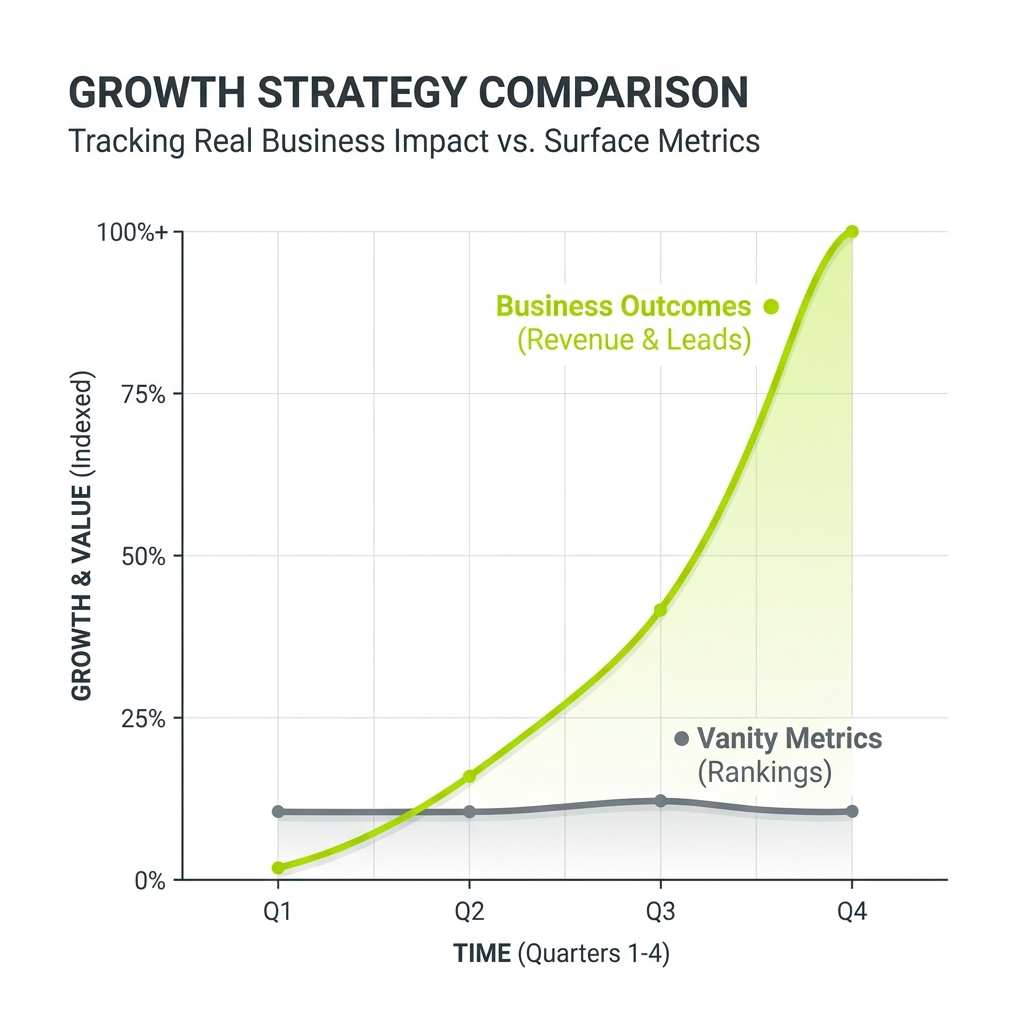
The ultimate test of a link's value is whether it actually sends you real human traffic. If a link brings engaged visitors who interact with your site, Google's user engagement signals will pick up on this. A link that drives 100 real visitors a month is infinitely more valuable than a theoretical high-DR link that nobody ever clicks.
Next Steps
Now that you understand what makes a link valuable, it's time to learn how to acquire them. In the next lesson, we will cover the most effective white-hat link-building strategies.