
Automating Content Generation
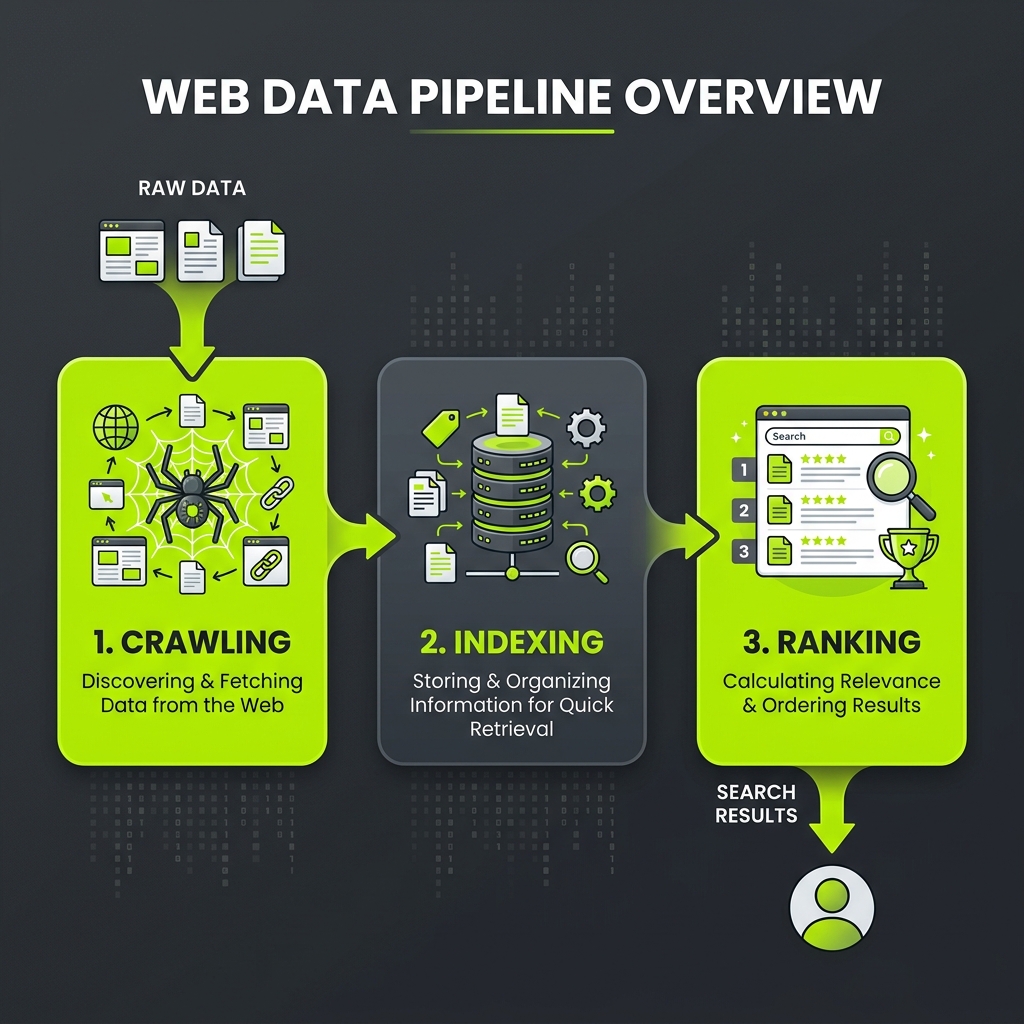
You have mapped out your keywords, secured your massive dataset (e.g., an Airtable or Postgres database with 10,000 rows), and designed a component-rich template. Now, you must bridge the gap: fusing the data with the template to deploy live pages.
In 2026, deploying Programmatic SEO relies on modern web architecture. There are three primary tiers of deployment, scaling from basic setups to enterprise-grade infrastructure.
1. The Headless CMS / No-Code Method (Beginner)
Platforms like Webflow, Framer, and modern WordPress setups allow for visual programmatic builds using built-in CMS Collections.
- The Architecture: You export your data as a CSV or connect Airtable via tools like Whalesync or Make.com. The CMS ingests the data as "CMS Items." You visually map the
{variables}in your design builder to the database fields. - Best For: Local service businesses, directories under 5,000 pages, and teams without dedicated engineering resources.
- The 2026 Reality: While easy, Webflow and Framer strictly limit CMS items (e.g., 10,000 item limits). You cannot build a massive 100,000-page directory on these platforms without hitting severe performance and billing walls.
2. Server-Side Rendering (SSR) & Edge API Method (Intermediate)
This is the standard for modern pSEO. Instead of pre-building every page, pages are built on-demand or cached at the edge.
- The Architecture: You build the site using Next.js or Nuxt. You store data in Supabase, PlanetScale, or MongoDB. When a user (or Googlebot) requests
site.com/plumbers-in-austin, the server fetches the "Austin" row from the database, injects it into the React template, and delivers the HTML. - Best For: Dynamic datasets that change frequently (e.g., real estate prices, stock metrics, job boards).
- The 2026 Reality: Utilizing Next.js Incremental Static Regeneration (ISR) is critical here. ISR allows you to statically cache the page after the first request, meaning subsequent visitors get lightning-fast load times, and you don't exhaust your database API limits.
3. Pure Static Site Generation (SSG) (Enterprise)
For massive deployments (100,000+ to millions of pages), fetching data on every request will crash your database and skyrocket server costs. You must statically generate the site.
- The Architecture: Using Astro or Next.js static exports. During the deployment build phase, the server downloads the entire database, iterates through every row, and generates raw, static HTML files for all 100,000 pages. These files are pushed to an Edge CDN (like Cloudflare or Vercel).
- Best For: Massive glossaries, dictionary sites, integration directories (like Zapier).
- The 2026 Reality: Astro is currently the king of massive SSG pSEO due to its zero-JS rendering capabilities, ensuring perfect Core Web Vitals and lightning-fast builds.
Mastering the Indexing Pipeline
[!WARNING] The Crawl Budget Trap: If you publish 50,000 pages on a brand new domain and submit the XML sitemap, Google will ignore it. They do not trust new sites with massive page counts.
Actionable Steps for 2026 Indexing:
- Drip-Feed Publishing: Use your database to implement a
published_datefield. Write a cron job to automatically change 200 pages fromdrafttopublishedevery day. - Sitemap Pagination: Never put more than 10,000 URLs in a single XML sitemap. Create an index sitemap (e.g.,
sitemap-index.xml) that links tositemap-locations-1.xml,sitemap-locations-2.xml, etc. - Strategic Internal Linking: Googlebot crawls via links. Ensure your homepage links to "State" hubs, which link to "County" hubs, which link to the individual "City" pages. Orphan pages in pSEO will never get indexed.